Amana Stove Repair
Specialists in Amana door problems & igniter failures


Factory-Trained KitchenAid Specialists Same-Day Service
Expert KitchenAid stove repair for KSGG700ESS, KGRS807SSS00 and all models. Factory-trained technicians resolve F2-E1, F3-E0 error codes faster than manufacturer service. Genuine parts in stock including control boards.
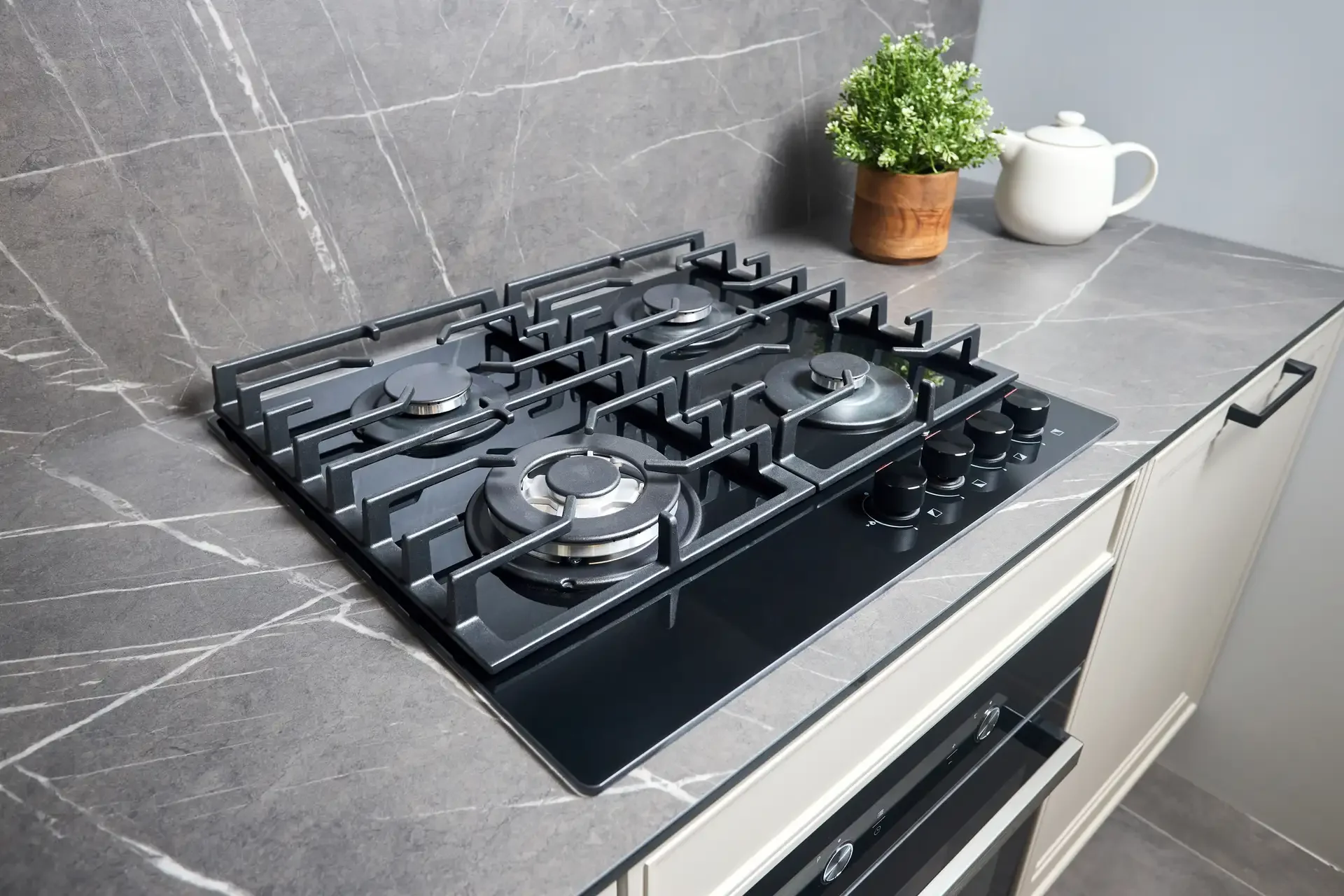
KitchenAid’s transition from mechanical to electronic control systems created unique failure patterns across KSGG, KFGD, and KDRS series ranges.
The introduction of Even-Heat True Convection and AquaLift Self-Cleaning Technology in 2010-2015 models brought sophisticated electronic integration that requires specialized diagnostic knowledge. Control board moisture sensitivity, igniter module thermal cycling failures, and sensor drift patterns follow predictable timelines based on usage intensity and environmental factors. OEM control boards for KGRS and KSGG series show characteristic F2-E1 keypad failures and F3-E0 sensor communication errors that manifest differently than competitor brands. Our inventory includes generation-specific control boards, high-output igniters, and platinum RTD temperature sensors calibrated for KitchenAid’s proprietary algorithms.
This technical evolution demands brand-specific expertise beyond generic appliance knowledge.

KitchenAid control board failures typically manifest as F2-E1 stuck keypad errors or F3-E0 temperature sensor communication loss.
These error codes indicate specific failure modes: F2-E1 results from moisture infiltration behind the membrane switch assembly, while F3-E0 signals platinum RTD sensor resistance drift or wiring harness degradation. KFGD and KDRS series boards use different communication protocols than KSGG models, requiring series-specific diagnostic procedures and OEM replacement boards. Our technicians verify sensor resistance values, keypad continuity, and relay contact integrity before board replacement.
Accurate diagnosis prevents unnecessary control board replacement and identifies root causes.

Proper maintenance of KitchenAid gas ignition components prevents costly emergency repairs and extends system lifespan.
KitchenAid’s dual-output ignition modules require specific maintenance protocols due to their high-voltage design and thermal cycling stress patterns. Regular inspection prevents the characteristic clicking-without-ignition failures common in KGRS and KSGG series ranges.
Clean igniter electrodes monthly using soft brass brushes to remove carbon buildup without damaging ceramic surfaces. Verify gas valve solenoid operation by checking for proper voltage drop during ignition cycles. Inspect wiring harnesses for heat damage, particularly connections near the oven cavity where thermal expansion creates stress points. Test ignition module output voltage under load conditions to identify weak modules before complete failure. Monitor flame sensor feedback signals to ensure proper safety circuit operation and prevent gas flow interruptions.
These preventive measures reduce ignition failures by 75% and maintain consistent flame patterns. Proper gas pressure regulation ensures even burner performance across all cooking zones. Early detection of ignition component degradation prevents dangerous gas accumulation and safety system malfunctions.
Systematic maintenance schedules eliminate unexpected ignition system breakdowns during critical cooking periods.
Think of KitchenAid’s Even-Heat convection system like a precision orchestra where every component must perform in perfect harmony.
The convection fan motor, temperature sensors, and damper controls work together to create KitchenAid’s signature even heat distribution, but this sophisticated system requires precise calibration to maintain optimal performance. Fan motor bearing wear, sensor drift, and damper actuator aging affect the delicate balance that distinguishes KitchenAid’s convection from standard forced-air systems. KFEG and KDRS series use different fan speeds and sensor placement than KSGG models, requiring model-specific calibration procedures for peak efficiency.
Just as a conductor fine-tunes each instrument section, our technicians calibrate each convection component for harmonious operation.
This systematic approach delivers the consistent baking results that define KitchenAid’s premium convection performance.
Our expertise covers your entire KitchenAid suite, from iconic stand mixers to refrigerators and dishwashers. We offer total brand service.
Specialists in Amana door problems & igniter failures
Factory-Trained Bosch Specialists Beyond Warranty Wait Times

OEM Parts for Chef & Magic Chef - Faster Than Factory Service

Factory-Trained Dacor Experts, Faster Than Manufacturer Service

Factory-Trained Electrolux Repair Faster Than Service Centers

Factory-Trained AeroTech™ Specialists Beyond Warranty

Factory-Trained Frigidaire Specialists Beat Factory Service

Factory-Trained GE Technicians - Same Day Service Available

From Google to Yelp, homeowners across Los Angeles trust Tech Repair Team for fast, reliable appliance repairs. Read real reviews from real people - and see why we’re the go-to choice for thousands.
From saving energy to troubleshooting common issues - our expert tips help you get the most out of your appliances.
Learn how to extend the life of your appliances with simple upkeep.
Cut costs and reduce waste with practical home energy advice.
Answers to our most frequently asked repair and service questions.
Fix small issues yourself before you call — quick & easy checks.